
907 Views
What Exactly Are You Buying? Understanding Reconditioned, Rebuilt, and Used Engines
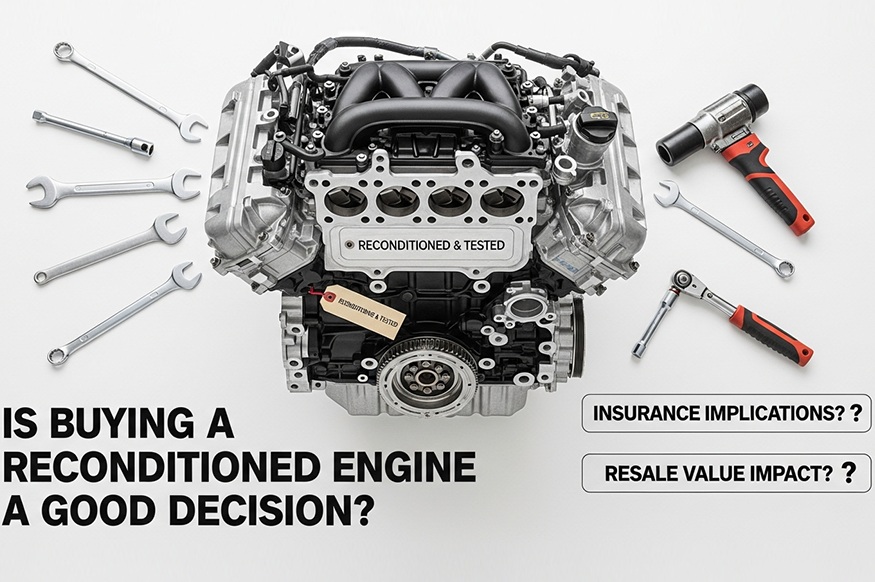
When your mechanic mentions you need a replacement engine, the terminology can be confusing. A used engine, often sourced from a salvaged vehicle, is a direct swap with no internal refurbishment. Its lifespan is a gamble, as it comes with all its existing wear and tear. A reconditioned engine or rebuilt engine signifies a unit that has been disassembled, cleaned, and inspected. Worn components like piston rings and bearings are typically replaced, but it may not be restored to original factory specifications. The gold standard is a remanufactured engine, which is completely disassembled, every component is measured against original equipment (OE) specifications, and any part that doesn’t meet “new” tolerance is replaced. This process often includes machining the cylinder head and block, resulting in an engine that performs like new. Knowing these distinctions is the first step in making an informed decision, as the cost of a reconditioned engine will sit between a risky second hand engine and a premium remanufactured one.
In my years of sourcing powertrains, I’ve seen customers save money upfront with a simple used engine for sale near me, only to face similar issues within a year. The reconditioned engine price is higher, but you’re paying for peace of mind and a meaningful warranty. When you find an engine for your car, always ask the supplier for a detailed breakdown of what “reconditioned” means to them. A reputable replacement engine supplier near me will be transparent about the work performed, specifying which critical components were replaced. This clarity helps you compare the true value of a reconditioned engines price list UK against the initial lower engine price of a used unit, ensuring you invest in a solution that matches your budget and long-term plans for the vehicle.
Is a Reconditioned Engine a Reliable Choice, or Just a Short-Term Fix?
The reliability of a recon engine hinges entirely on the integrity of the supplier and the quality of the workmanship. A properly reconditioned engine, where worn seals, gaskets, and timing components have been renewed, can be exceptionally reliable and offer many thousands of miles of service. I’ve fitted countless reconditioned engines for customers who have then driven their cars reliably for years without major issues. The key is to view it not as a cheap fix, but as a strategic repair that extends the life of a vehicle you trust. This is a far more sustainable approach than hoping a used motor engine from a scrapyard won’t have hidden problems. The warranty is your best indicator of reliability; a supplier offering a 12-month, unlimited-mileage warranty on their reconditioned engines is demonstrating confidence in their product.
However, the “short-term fix” reputation comes from bad experiences with disreputable suppliers. Some businesses may slap a coat of paint on a dirty block, call it “reconditioned,” and offer a minimal warranty. This is why it’s crucial to find used engines through established specialists. The best place to buy engines isn’t always the cheapest; it’s the one with proven expertise and positive long-term customer reviews. When you see an engine for sale with a price that seems too good to be true, it almost always is. A reliable engine supply and fit near me service will provide documentation of the work done. Investing in a quality reconditioned engine from a trusted source transforms it from a gamble into a sound, long-term automotive decision.
Read More: Utility Service Vehicles: Reliable Infrastructure Maintenance with Commercial Fleets
How Does Fitting a Reconditioned Engine Affect My Car Insurance Premiums?
This is a common and crucial question. In most standard cases, simply replacing your failed engine with a like-for-like replacement engine—whether used, reconditioned, or remanufactured—should not directly cause your insurance premium to increase, provided the work is done professionally. The critical factor is full disclosure. You must inform your insurer of the change. Failure to do so could invalidate your policy, as the engine number on the vehicle will differ from the one, they have on record. When you declare the new engine, they will simply update their policy details. From an insurer’s perspective, a professionally fitted reconditioned engine restores the vehicle to a roadworthy condition and doesn’t inherently increase its risk profile.
The situation changes if the new engine is a non-standard unit, such as swapping a 1.6-litre for a 2.0-litre, which is considered a modification. This will almost certainly affect your premium. The golden rule is always to speak with your insurer before proceeding with any engine replacement UK work. When you use a professional service for engine supplied and fitted, they can provide you with a VAT receipt detailing the work and the source of the engine, which is the documentation your insurer will require. Being transparent not only keeps you legal but also builds a trustworthy relationship with your provider. The small amount of admin involved is a minor price to pay for the certainty that you are fully covered.
Will a Reconditioned Engine Destroy My Car’s Future Resale Value?
The impact on resale value is nuanced. For a mainstream, everyday car, a professionally documented engine replacement is often seen neutrally or even positively. A potential buyer would much rather purchase a car with a recently fitted reconditioned engine with a warranty than one with a high-mileage original engine that’s nearing the end of its life. It demonstrates that the owner has invested significantly in maintaining the vehicle’s core functionality. The paperwork from a reputable engine supply and fitting company is key here; it proves the work was done correctly and adds a layer of legitimacy that can reassure a wary buyer.
Where value can be negatively affected is with classic, niche, or high-performance vehicles where “matching numbers” (the original engine being with the original car) is highly prized by collectors. In these cases, even a perfectly remanufactured engine can reduce the car’s value for a purist. For the vast majority of daily drivers, however, this is not a concern. When the time comes to sell, be prepared to answer questions honestly. Explain why the replacement engine was needed, who performed the work, and highlight the remaining warranty. This transparency turns a potential negative into a demonstration of responsible ownership, ultimately protecting your investment and making the car easier to sell at a fair price.
Where is the Best Place to Buy a Reliable Replacement Engine in the UK?
The UK has a robust market for engine sales near me, but quality varies dramatically. The best place to buy engines is rarely a generic online marketplace where you are just a number. Instead, look for established, specialist replacement engine supplier near me businesses with a physical premises and a strong reputation. Companies that specialise in reconditioned engines UK often have deeper technical expertise and better quality control than general motor factors. They should be happy to discuss their reconditioning process and provide a clear reconditioned engines price list. A good supplier will also ask for your car’s VIN to ensure perfect compatibility when you find an engine for your car.
A significant advantage of using a local specialist for engine supply and fit near me is that they often handle both the supply and the installation. This “turnkey” solution means they take full responsibility for the entire process. If there’s an issue, you have one company to deal with, not a supplier blaming a fitter and vice-versa. Before committing, search for reviews of “reconditioned engines fitted near me” and ask the company for a couple of references. A trustworthy business will have no issue providing this. While it might be tempting to simply search for the lowest used engine sale price online, investing time in finding a reputable partner is the single most important step in ensuring a successful outcome.
Read More: 5 Tips for Taking Care of Your Car After an Accident
What is the Real Cost of a Reconditioned Engine Versus a Used One?
The initial engine price is only one part of the financial equation. A second hand engine might cost £500, while a reconditioned engine might be £1,500. The cheaper option seems obvious, but this is a classic false economy. The used engine comes with significant hidden risks: it has an unknown history, no meaningful warranty, and may have underlying issues that only appear after installation. The cost of labour to fit a second faulty used engine can double your total expense. In contrast, the higher cost of a reconditioned engine includes the parts, labour, and machining that went into its refurbishment, and, most importantly, a solid warranty that protects your investment.
When budgeting, you must consider the total cost of engine supplied and fitted. Get quotes that include removal of the old unit, installation of the new one, new fluids, and ancillary parts like a new clutch or water pump that should be done while the engine is out. A professional engine supply and fitting quote for a reconditioned engine will be comprehensive. Over a 3-5 year period, the reliable, warrantied reconditioned engine almost always proves to be the more cost-effective choice. It prevents the cycle of repeated failures and labour costs, providing long-term value and predictable motoring costs, which is the ultimate goal for any car owner looking for a replacement engine.